Skip to content

added to favourites

removed from favourites

Oops! Something went wrong. Try again

Your account is being created

Your account has been successfully created and you are now logged in

You’ve been logged in successfully!

Your account was created successfully, but we couldn't log you in automatically

You are logged out.

Find peace and quiet in South Tyrol

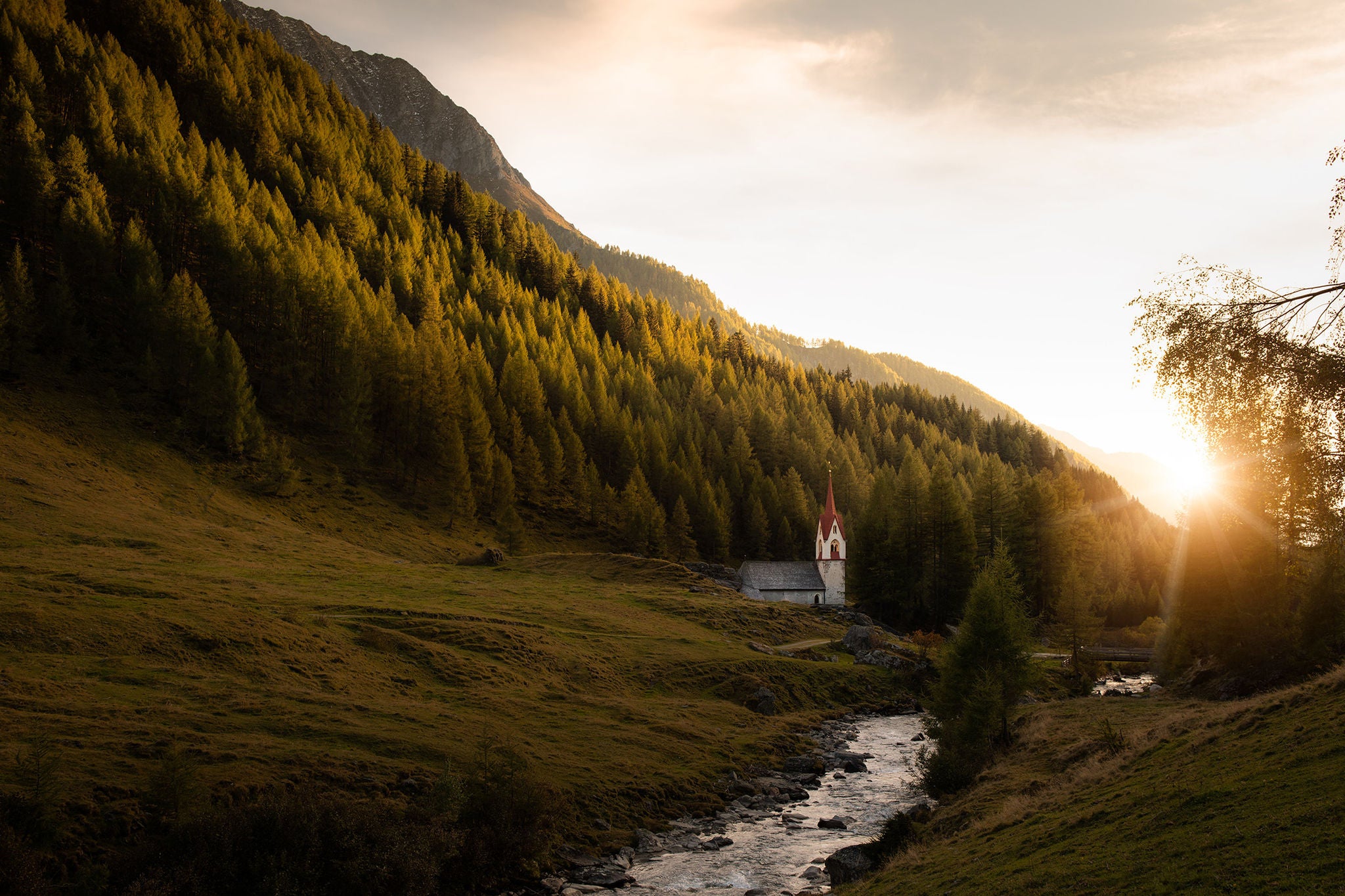
In these valleys, you can hear the murmur of the streams, the tolling of distant church bells and the wind rustling through the treetops. Centuries-old mountain farms are nestled among meadows and forests. Trails lead you to alpine pastures, clear mountain lakes and viewing points with sweeping mountain vistas. Here, everyday life fades into the distance and you'll find space for peace and new experiences.

The "Blue Valley"

The Antholzertal valley is one of the most unspoilt valleys in South Tyrol. Known as the “Blue Valley,” water shapes the landscape in a unique way. From the Antholzersee lake, past roaring waterfalls and through the clear mountain streams all the way up to the glaciers of the Rieserferner-Ahrn Nature Park, the diversity of this unspoiled mountain region is on full display.

Amid dense forests, raised bogs and rugged cliffs, varied hiking trails lead you through a landscape that has retained its original character. In the hamlets of Antholz/Anterselva, Obertal and Mittertal, you'll find charming accommodation, genuine hospitality and plenty of space for peaceful days in the mountains.

The valley of the three-thousand-metre peaks

In the far north of South Tyrol, the Ahrntal valley reveals its tranquil side. The valley is surrounded by more three-thousand-metre peaks than any other region of South Tyrol. From here, two unspoilt side valleys – the Mühlwaldertal and the Reintal – open up. Old farmsteads, forests and mountain streams define these retreats. Amid meadows, waterfalls and the peaks of the Rieserferner group, you’ll find space for leisurely walks and peaceful days.

The towns in the valley show just how closely the landscape is tied to the valley's history. Steinhaus/Cadipietra and Prettau/Predoi serve as reminders of the copper mining that shaped life in the Ahrntal Valley for centuries. In Kasern/Casere, at the head of the valley, an old craft tradition – lace-making – lives on. The valley also remains true to its culinary traditions. Here, “Graukäse”(grey cheese) is served, a regional specialty that has been made for generations using traditional methods.

From pasture to pasture

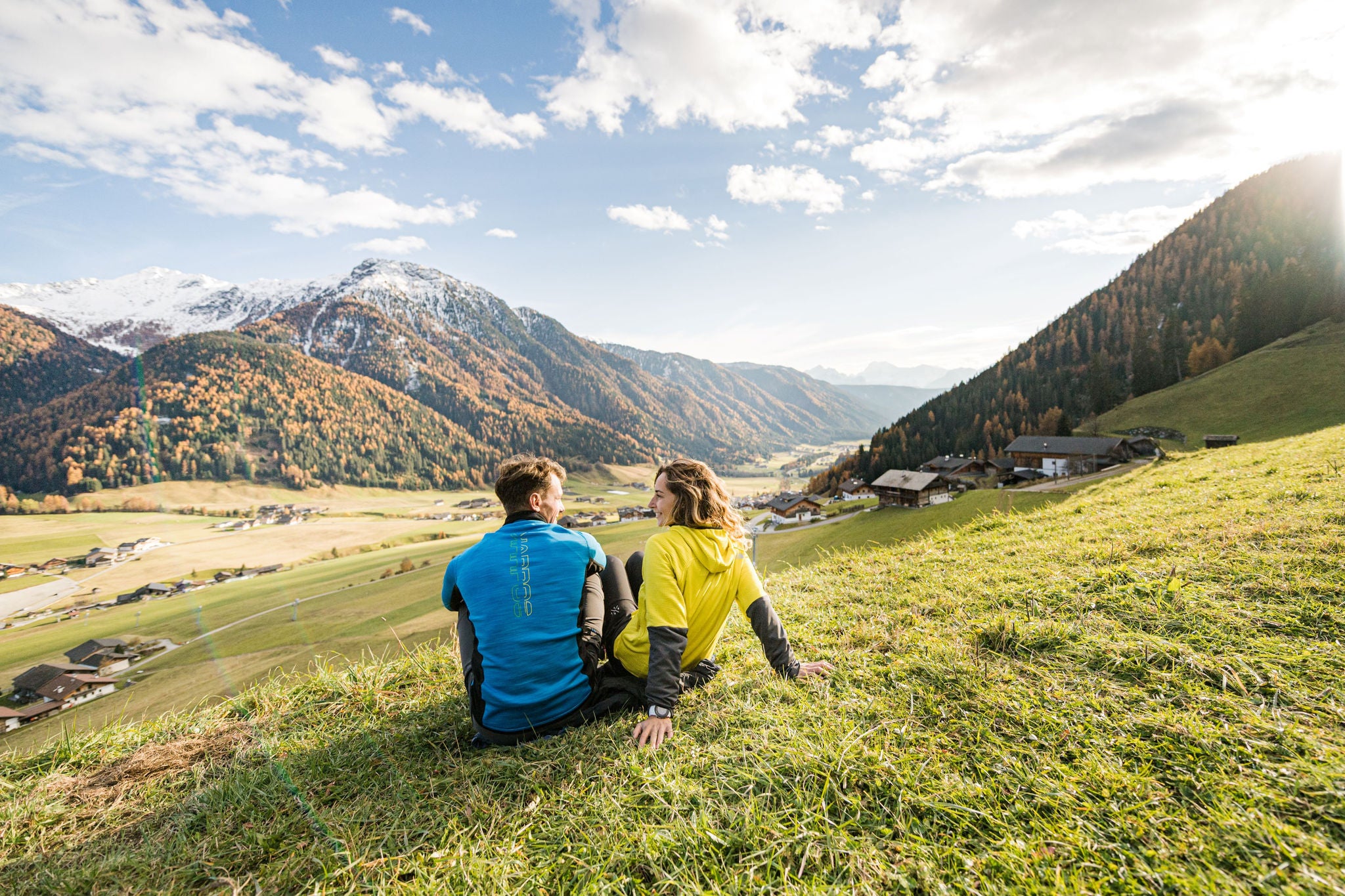
In Gsies/Casies, Welsberg/Monguelfo and Taisten/Tesido, centuries-old farms are scattered across meadows and hillsides. These scattered settlements have always been a defining feature of the Gsiesertal valley and give the impression that everyday life here still follows its own rhythm.

They shape not only the landscape but also life in the valley. You encounter in many different ways just how closely people and the landscape are connected here. On alpine hikes such as the Almweg 2000, the trails lead from hut to hut. Along panoramic trails and Kneipp facilities, you’ll make your way through a cultural landscape that has retained its original character. And even traditions such as the Almabtrieb in the autumn are still observed here. 

Along old smugglers' trails

After Glurns/Glorenza, you turn into the Matschertal valley. There, you'll find a mountain landscape that has retained its original character. And did you know that this is home to the first mountaineering village of South Tyrol? 

Further north, in the Langtauferer valley in the Reschensee region, you'll reach the hamlet of Melag/Melago. At the end of the road, a high-alpine landscape begins, featuring hiking trails into the Ötztal Alps and a panoramic view of the surrounding peaks.

The Schlinigtal valley has a turbulent history. Smugglers once transported goods between South Tyrol and the Engadin via the Schlinig pass. Today, you can follow the same trails on hikes to the Schliniger Alm or the Sesvenna hut. The ancient trails connect history, nature and a sense of tranquility that can still be felt in the mountains today.

In the Strawberry Valley

The Martelltal valley stretches from Goldrain/Coldrano to the glaciers of the Ortler and Cevedale ranges. Nestled within the Stilfserjoch National Park, the valley has retained its unspoiled character. 

The Martelltal is known as Strawberry Valley. At an altitude of over 1,000 metres, these sweet fruits thrive here in one of Europe's highest contiguous strawberry-growing regions. You'll hike along the Strawberry Trail, continuing on to Zufrittsee lake or up to the scenic mountain trails. Its proximity to the Stilfserjoch National Park also makes the valley a special place for nature lovers and photographers. With a little luck, you might even spot a bearded vulture high above the peaks – it has made this area its home again.

This is where craftsmanship thrives

The road to the Sarntal valley winds through wooded slopes and tight curves. Dense forests, scattered farms and small villages characterise the high valley between Bolzano and the Sarntal Alps. Hiking trails take you to peaceful spots such as the Durnholzersee lake or the Stoanernen Mandln.

The valley is particularly well known for its crafts. Quill embroidery, products made from mountain pine and the traditional Sarner folk costume remain an integral part of living culture to this day. Through the Sarner Gschick initiative, six master craftsmen are passing on this knowledge and creating timeless products from natural materials. In this way, a piece of the identity of Sarntal has been preserved to this day.

In the hometown of Ötzi

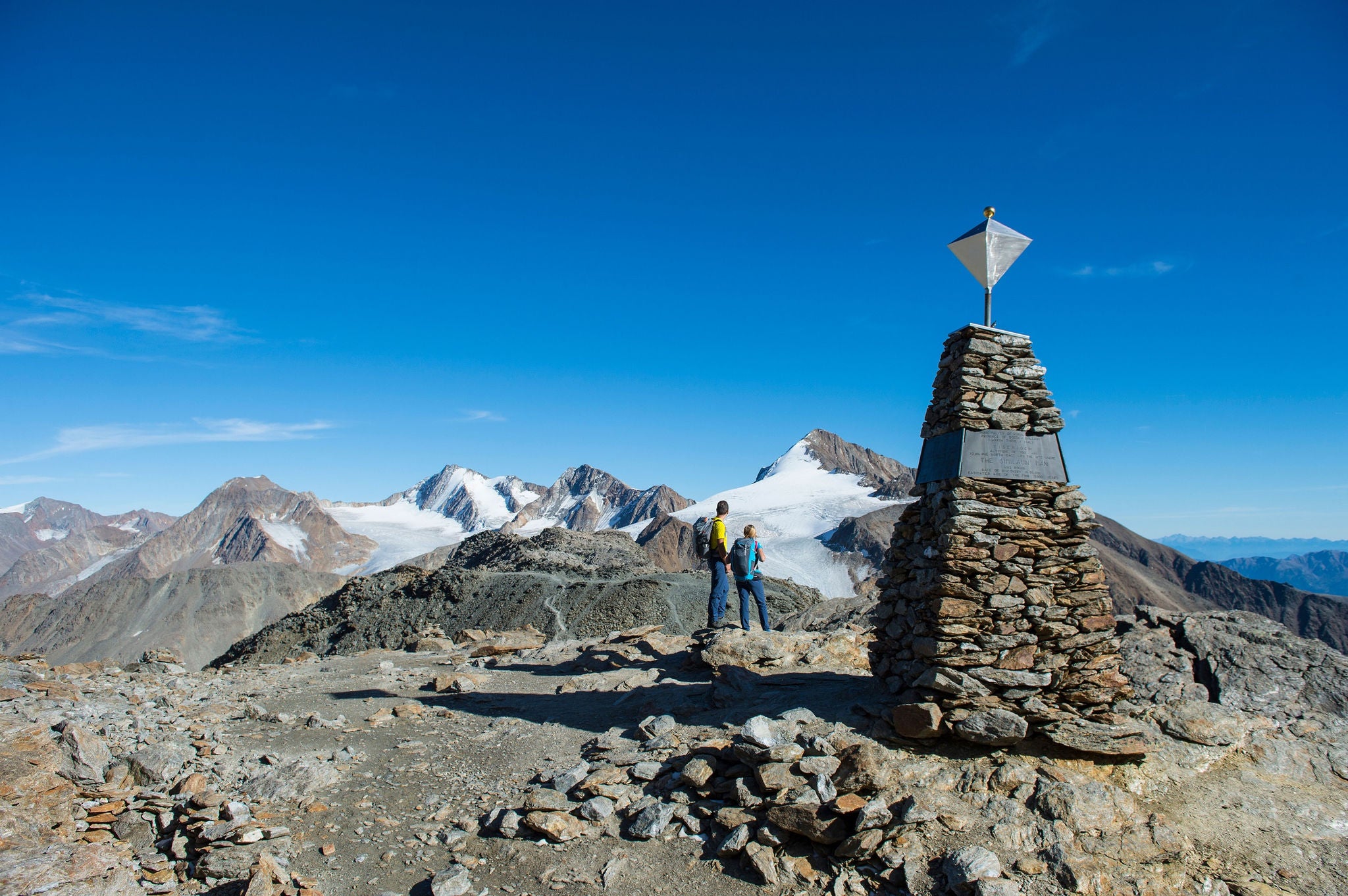
The Schnalstal valley is known far beyond South Tyrol as the home of Ötzi. But in addition to the famous glacier mummy, another story shapes the character of the valley. 

Surrounded by historic monastery walls, Karthaus/Certosa is located at an elevation of 1,300 metres in the Schnalstal Valley. The village grew up around a Carthusian monastery, whose monks lived here for centuries. To this day, the Via Monachorum, the Path of Silence, serves as a reminder of this special story and shapes the character of the town. Life-size statues of monks accompany you along this path all the way to Katharinaberg. From here, numerous trails lead you further into the Texel Group Nature Park and through the mountains of the Schnalstal valley. 

The valley of the ancient larch trees

In the Ultental valley, time seems to pass more slowly. Between St. Pankraz/San Pancrazio and St. Gertraud/Santa Gertrude, you'll pass traditional farmhouses with roofs covered in wooden shingles and larch fences that have shaped the landscape for generations. Even today, the active alpine pastures show just how closely people's lives are tied to the mountains.

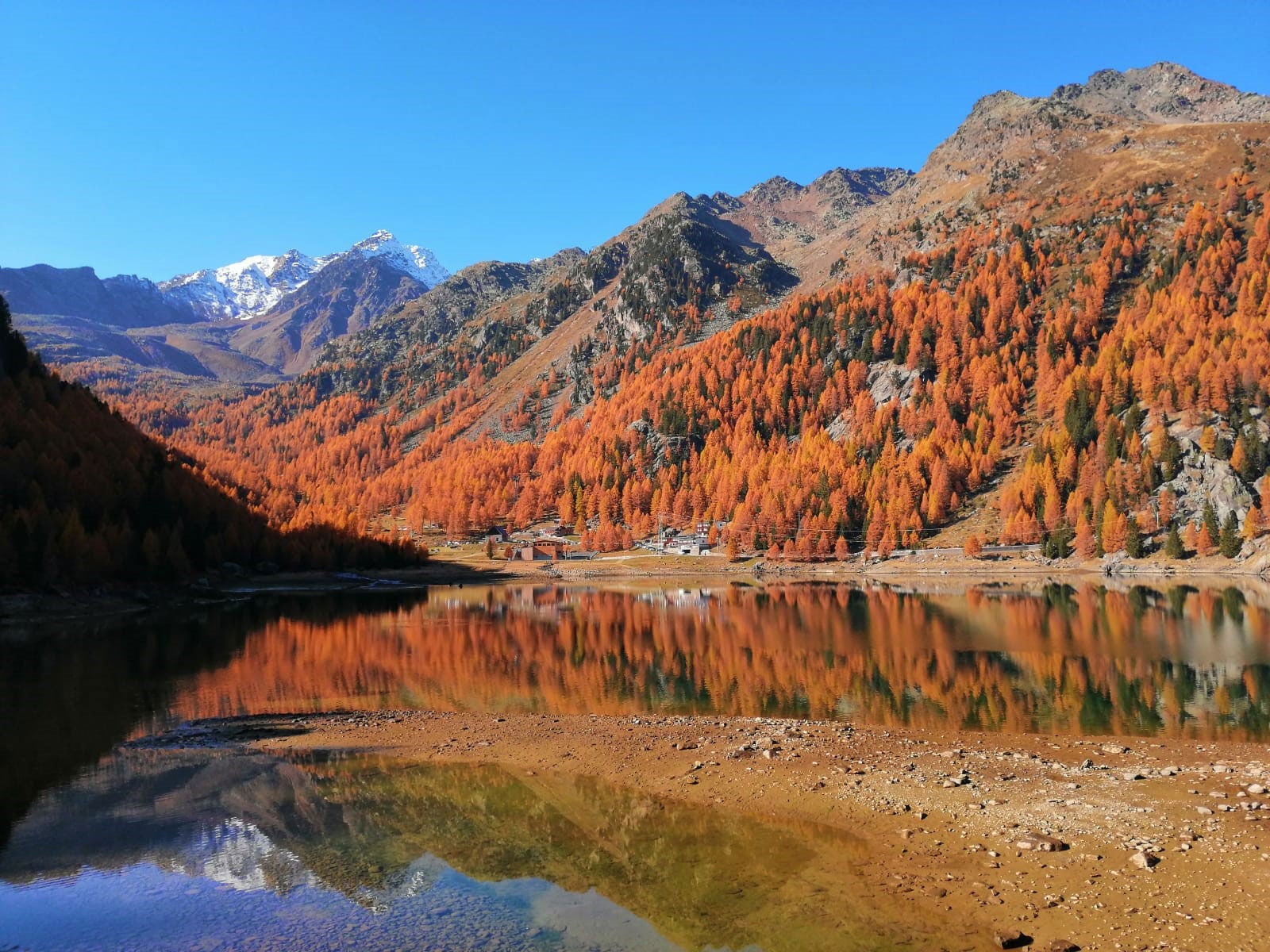
The valley is particularly well known for the Ultner Urlärchen near St. Gertraud. With an estimated age of about 850 years, they are among the oldest conifers in Europe and bear witness to centuries of Alpine history. The road ends at Weißbrunnsee lake in the Stilfserjoch National Park. From here, hiking trails lead into the high-Alpine mountain landscape surrounding the Ultental valley.

Find your accommodation

Family-run, historic, on the mountain, in a quiet side valley. Whatever you want for your time away, you'll find it here and can book it direct.

You are on a tabbed slider. Select a tab to view its content. Press Enter or Space to enter inside a slider's card. Press Esc to exit.

At the moment, we can't find any results for this search.
Accommodation image
Finish your booking for
Accommodation name
0  room rooms Not selected No board Breakfast Half board Full board All inclusive
Total price: 0 €
(incl. VAT / excl. local tourism tax)