Südtirol Guide App Logo
Skip to content

added to favourites

removed from favourites

Oops! Something went wrong. Try again

Your account is being created

Your account has been successfully created and you are now logged in

You’ve been logged in successfully!

Your account was created successfully, but we couldn't log you in automatically

You are logged out.

Alpine Road of Romanesque Art - Stairways to Heaven

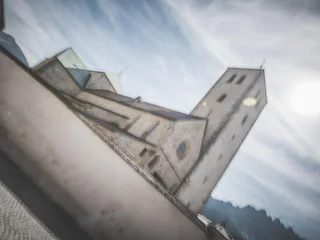
In the Middle Ages, a variety of cultural centres such as towns, forts, castles, churches, chapels and monasteries were built along important trade and pilgrimage routes that led across the Alps.

  1. Collegiate Church

    Prato alla Drava/Winnebach, Innichen/San Candido, Dolomites Region 3 Zinnen

  2. St. Johann´s Church in Taufers i.M.

    Tubre/Taufers i. M., Taufers im Münstertal/Tubre, Vinschgau/Val Venosta

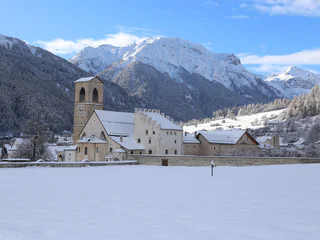
  3. Convent of St. John in Müstair

    Tubre/Taufers i. M., Taufers im Münstertal/Tubre, Vinschgau/Val Venosta

  4. Church of Santa Margherita

    Pavicolo/Pawigl, Lana, Meran/Merano and environs

  5. S. Jakob Church in Söles near Glurns

    Glorenza/Glurns, Glurns/Glorenza, Vinschgau/Val Venosta

  6. St. Johann´s Church in Taufers i.M.

    Taufers i. M./Tubre, Taufers im Münstertal/Tubre, Vinschgau/Val Venosta

  7. Church of San Vigilio and Biagio

    Morter/Morter, Latsch/Laces, Vinschgau/Val Venosta

  8. St. Johannes' Parish Church, Lasa/Laas

    Lasa/Laas, Laas/Lasa, Vinschgau/Val Venosta

  9. Church of S. John Prad am Stilfserjoch

    Prato /Prad, Prad am Stilfser Joch/Prato allo Stelvio, Vinschgau/Val Venosta

  10. Monastery of Novacella

    Varna/Vahrn, Vahrn/Varna, Brixen/Bressanone and environs

  11. Convent S. Floriano

    Laghetti/Laag, Neumarkt/Egna, Alto Adige Wine Road

  12. St. Benedikt´s Church

    Malles/Mals, Mals/Malles, Vinschgau/Val Venosta

  13. Church "Santa Maria in Colle"

    Laces/Latsch, Latsch/Laces, Vinschgau/Val Venosta

  14. St. Marx' Church, Lasa/Laas

    Lasa/Laas, Laas/Lasa, Vinschgau/Val Venosta

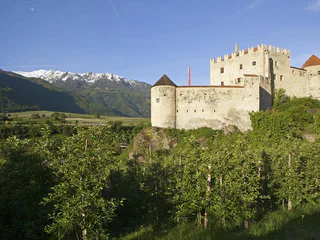
  15. Castelbello Castle

    Castelbello/Kastelbell, Kastelbell-Tschars/Castelbello-Ciardes, Vinschgau/Val Venosta

  16. Church "St. Karpophorus"

    Tarres/Tarsch, Latsch/Laces, Vinschgau/Val Venosta

  17. Nikolaus church Laces

    Laces/Latsch, Latsch/Laces, Vinschgau/Val Venosta

  18. Glorenza - the little medieval town in South Tyrol

    Glorenza/Glurns, Glurns/Glorenza, Vinschgau/Val Venosta

  19. St. Peter's Parish Church

    Plars di Mezzo/Mitterplars, Tirol/Tirolo, Meran/Merano and environs

  20. Tyrol Castle

    Tirolo/Tirol, Tirol/Tirolo, Meran/Merano and environs

  21. Church of St. Nicolas, Lasa

    Lasa/Laas, Laas/Lasa, Vinschgau/Val Venosta

  22. St. Jakob Church in Kastelaz

    Tramin an der Weinstraße/Termeno sulla Strada del Vino, Alto Adige Wine Road

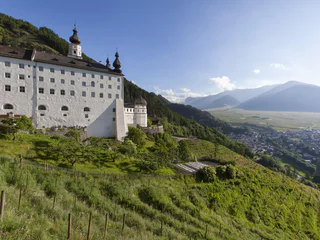
  23. Marienberg Monastery

    Burgusio/Burgeis, Mals/Malles, Vinschgau/Val Venosta

  24. St. Sisinius' Church, Lasa/Laas

    Lasa/Laas, Laas/Lasa, Vinschgau/Val Venosta

  25. Castle chapel "Sankt Stephan"

    Morter/Morter, Latsch/Laces, Vinschgau/Val Venosta

  26. St. Ägidius' Church, Corzes/Kortsch

    Corzes/Kortsch, Schlanders/Silandro, Vinschgau/Val Venosta

  27. St. James' Church in Grissian/Grissiano

    Grissiano/Grissian, Tisens/Tesimo, Meran/Merano and environs

  28. St. Proculus Church

    Naturno/Naturns, Naturns/Naturno, Meran/Merano and environs

  29. Chapel St. Katharina (Hocheppan Castle)

    Predonico/Perdonig, Eppan an der Weinstaße/Appiano sulla Strada del Vino, Alto Adige Wine Road

  30. St. Kathrein church

    Santa Caterina/St. Kathrein, Hafling/Avelengo, Meran/Merano and environs

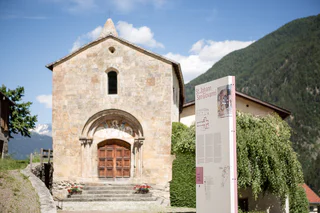
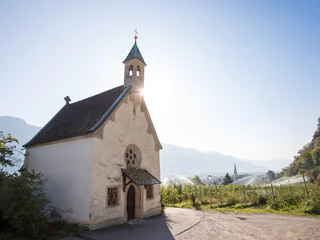
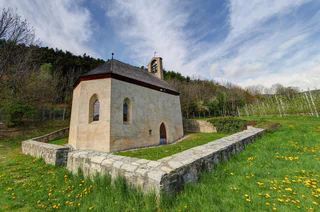
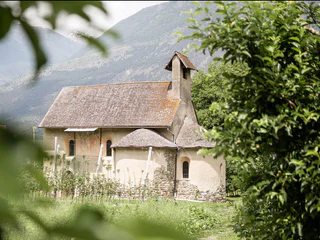
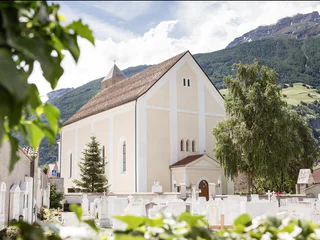
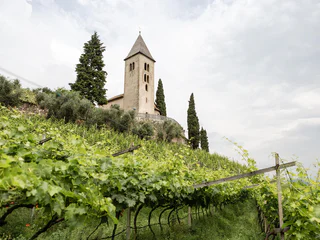
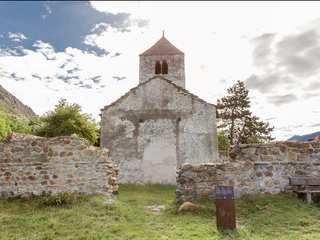
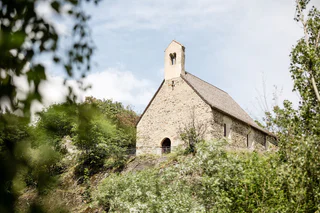
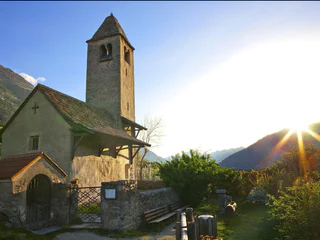
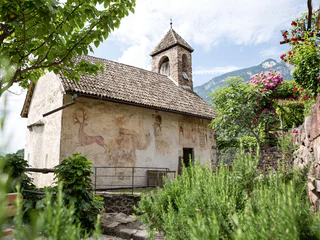
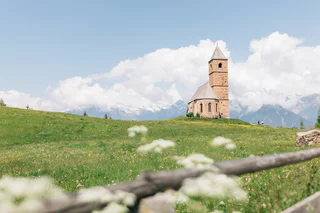
By exploring 31 special sites along the Alpine Road of Romanesque Art - Stairways to Heaven between South Tyrol and the Canton of Grisons, it is still possible to discover the special features of the art and culture of that time including its characteristic symbols and building elements. Marvel at small, unknown cultural sites as well as larger, better-known places such as the Schloss Tirol castle, the Convent of St. John in Müstair and the Marienberg Benedictine abbey.  

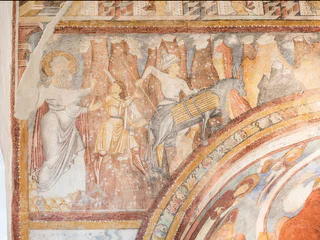
More than a mere artistic style, the Romanesque was a spiritual idea as expressed by a building, painting or sculpture. The architecture and the cosmos of images were designed like a shrine, each inspiring the other in their monumentality. In churches, discover mythical creatures, mermaids, centaurs and column-eating demons. According to the world view of the time, these creatures populated the fringe zones of the flat disc earth and illustrated the contrast between divine order and human chaos. Marvel at frescoes by painters who were unknown craftsmen at the time. Such craftsmen laboured in service of something beyond themselves and created an illustrated theological cosmos for their employers.