1/2
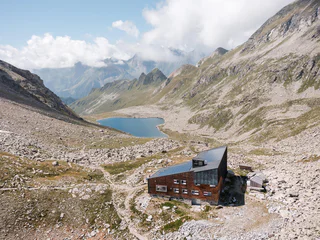
Gasser Hütte- Rittner Horn
Colma/Kollmann, Villanders/Villandro, Brixen/Bressanone and environs
medium
Difficulty
538 m
Elevation gain
2h:06 min
duration

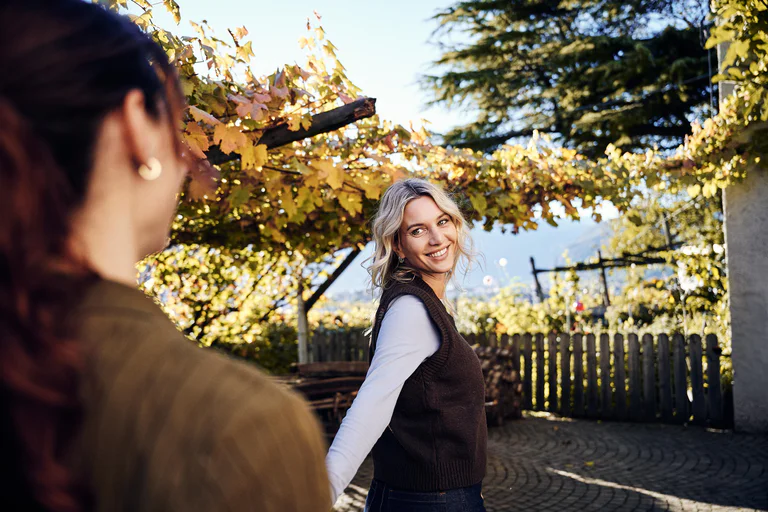
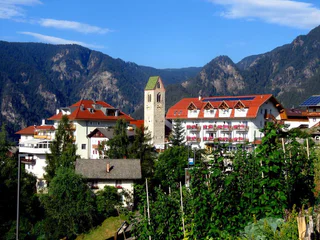
Brixen and its surroundings offer diverse trails, from family-friendly walks to challenging ascents. Explore cultural cities and enjoy the Mediterranean influence. Brixen, Klausen/Chiusa and Sterzing/Vipiteno are well-worth the trip. Shining with rich history, beautiful attractions and a successful mix of customs and innovation Experience Törggelen, a traditional South Tyrolean celebration with wine, food, and chestnuts.
1/2
Colma/Kollmann, Villanders/Villandro, Brixen/Bressanone and environs
medium
Difficulty
538 m
Elevation gain
2h:06 min
duration
1/6
Colma/Kollmann, Barbian/Barbiano, Brixen/Bressanone and environs
medium
Difficulty
411 m
Elevation gain
2h:40 min
duration

Vallarga/Weitental, Vintl/Vandoies, Brixen/Bressanone and environs
Brixen Stadt/Bressanone città, Brixen/Bressanone, Brixen/Bressanone and environs
Lazfons/Latzfons, Villanders/Villandro, Brixen/Bressanone and environs
1/2
Fundres/Pfunders, Vintl/Vandoies, Brixen/Bressanone and environs
1/2
S. Giorgio/St. Georgen - Brunico/Bruneck, Vintl/Vandoies, Brixen/Bressanone and environs
difficult
Difficulty
5606 m
Elevation gain
8h:00 min
duration
Rasa/Raas, Brixen/Bressanone, Brixen/Bressanone and environs
easy
Difficulty
25 m
Elevation gain
1h:15 min
duration
1/9
Lazfons/Latzfons, Klausen/Chiusa, Brixen/Bressanone and environs
Brixen Stadt/Bressanone città, Brixen/Bressanone, Brixen/Bressanone and environs
Untrum/Untrum, Feldthurns/Velturno, Brixen/Bressanone and environs
Bressanone città/Brixen Stadt, Brixen/Bressanone, Brixen/Bressanone and environs
easy
Difficulty
0 m
Elevation gain
3h:30 min
duration
1/2
Plose/Plose, Brixen/Bressanone, Brixen/Bressanone and environs
medium
Difficulty
0 m
Elevation gain
0h:15 min
duration
1/5
Terento/Terenten, Terenten/Terento, Brixen/Bressanone and environs
Bressanone città/Brixen Stadt, Brixen/Bressanone, Brixen/Bressanone and environs
Aica/Aicha, Natz-Schabs/Naz-Sciaves, Brixen/Bressanone and environs
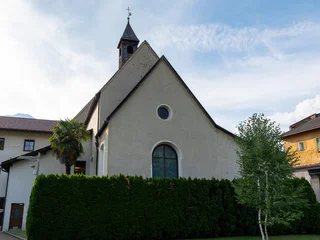
1/5
Bressanone città/Brixen Stadt, Brixen/Bressanone, Brixen/Bressanone and environs
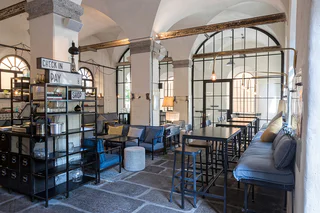
1/19
Bressanone città/Brixen Stadt, Brixen/Bressanone, Brixen/Bressanone and environs
Villandro/Villanders, Villanders/Villandro, Brixen/Bressanone and environs
Brixen Stadt/Bressanone città, Brixen/Bressanone, Brixen/Bressanone and environs
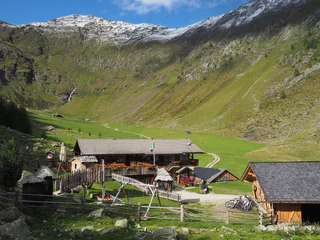
1/2
Maranza/Meransen, Mühlbach/Rio di Pusteria, Brixen/Bressanone and environs
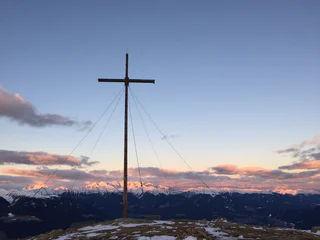
1/3
Alpe di Rodengo/Rodenecker Alm, Rodeneck/Rodengo, Brixen/Bressanone and environs
easy
Difficulty
641 m
Elevation gain
5h:46 min
duration
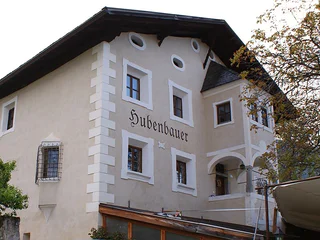
1/4
Varna/Vahrn, Vahrn/Varna, Brixen/Bressanone and environs
.jpeg/_jcr_content/renditions/web-rendition-5.webp)
1/2
Untrum/Untrum, Feldthurns/Velturno, Brixen/Bressanone and environs
Rasa/Raas, Natz-Schabs/Naz-Sciaves, Brixen/Bressanone and environs
Valles/Vals, Mühlbach/Rio di Pusteria, Brixen/Bressanone and environs
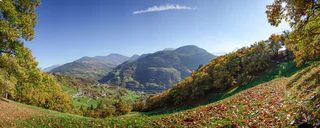
1/2
Colma/Kollmann, Barbian/Barbiano, Brixen/Bressanone and environs
easy
Difficulty
502 m
Elevation gain
2h:30 min
duration
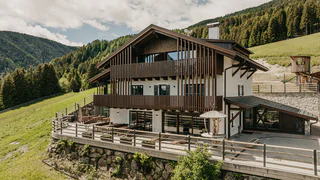
1/19
Latzfons/Lazfons, Klausen/Chiusa, Brixen/Bressanone and environs

1/3
Lazfons/Latzfons, Klausen/Chiusa, Brixen/Bressanone and environs
easy
Difficulty
385 m
Elevation gain
2h:34 min
duration
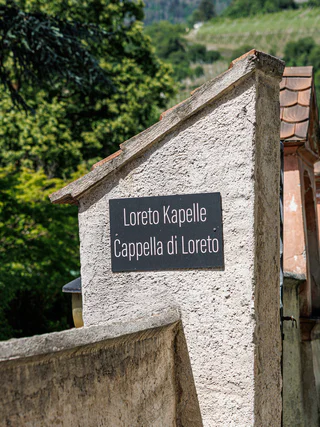
1/2
Lazfons/Latzfons, Klausen/Chiusa, Brixen/Bressanone and environs
Thank you for signing up!
Your subscription is already active
Confirm your registration
To complete your subscription, open the email we just sent you and click on the confirmation link.
Can’t find it? Check your spam folder too.
We noticed that you tried to subscribe to the newsletter, but your email address is already registered. You will continue to receive our offers, tips and inspiration for your holiday.
We noticed that you already tried to subscribe to our Newsletter in the past but didn’t confirmed the subscription. We have resent you an email now, please check your inbox and spam folder to confirm.